Advancement of Japan’s Virtual Currency Regulatory Policy,Is reshaping the Asian digital asset trading market landscape。Japanese media Nikkei reported that,About 18 companies are applying for Japanese Bitcoin-related licenses。From April 1st,Japan officially recognizes Bitcoin as legal payment status,Digital asset trading and payment scenarios have thus entered a clearer regulatory framework。
Bitcoin’s popularity has picked up significantly recently,The price of Bitcoin denominated in RMB once exceeded the 10,000 yuan mark。The early days of Bitcoin,1USD can buy about 1,300 Bitcoins,The current price of one Bitcoin has exceeded $1,500。Since its birth in 2009,The value of Bitcoin has surged approximately 1.95 million times。at the same time,There is also news that Russia will promote the legalization of Bitcoin at some point next year,Institutional discussions on virtual currencies continue to heat up in major global markets。
Japan’s Bitcoin license application entities and market access dynamics
at present,The entities applying for Japanese Bitcoin licenses include virtual currency exchange BitFlyer,It also includes financial and Internet companies that are new to the field of virtual currency.,For example, GMO Click Group parent company GMO Internet Inc、Kabu.com Securities、SBI Group etc.。
GMO Internet has announced the formation of a new company, GMO Wallet Co. Ltd,Officially entered the virtual currency trading market。Japan recognizes Bitcoin’s legal payment status,There are also plans to stop taxing virtual currency transactions starting in July,This further stimulates the development of Japan’s virtual currency market。
Virtual currency trading platform Gatecoin data display,Bitcoin/Japanese yen trading has become the second most liquid market for virtual currencies in the world。at the same time,Ethereum and Dash prices have also seen significant increases recently。Japan Financial Services AgencyApprove Bitflyer、News about 11 virtual currency exchanges including GMO,Making Japan once again a key market in the global digital asset compliance process。
The regulatory significance of Japan’s issuance of virtual currency trading licenses
11 virtual currency exchanges approved by the Japan Financial Services Agency,It is the earliest trading platform in the world to officially obtain government regulatory approval.。this means,Japan’s development in the Bitcoin and virtual currency industry,Further establishing the market image of system first。affected by this,A large number of investors began to turn their attention to Japanese digital currency trading platforms。
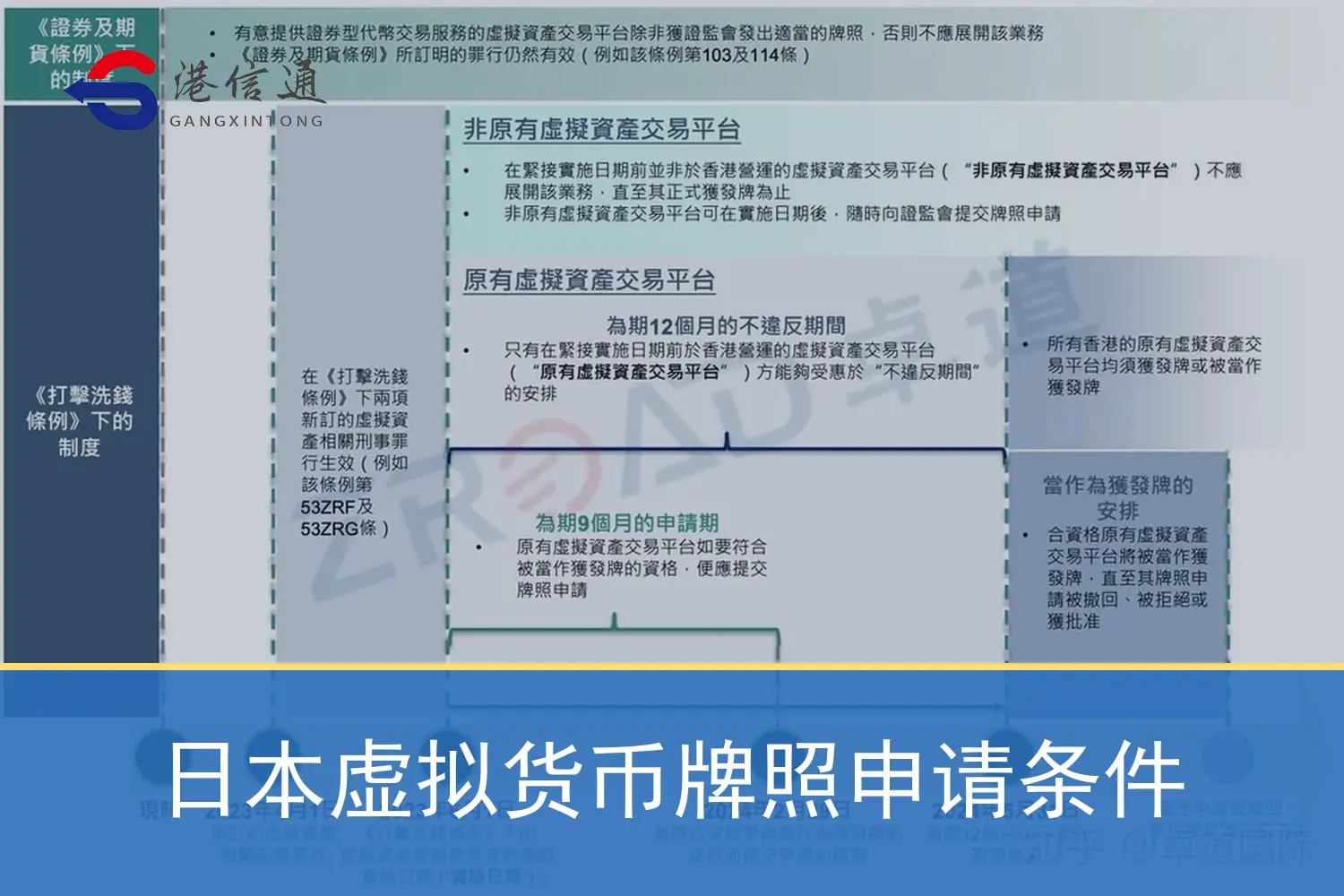
From a compliance perspective,Japan actively promotes virtual currency licensing,It’s not just a simple market opening move。Behind the licensing system,Involves pricing power、financial policy、political environment、Multiple factors such as cross-border capital flows and international competition landscape。
The core logic behind Japan’s fight for Bitcoin pricing power
2008After the outbreak of the global financial crisis,A person using the pseudonym "Satoshi Nakamoto" published a paper,The system describes how Bitcoin operates。2009Year,Bitcoin is officially born。reported that,Bitcoin inventor "Satoshi Nakamoto" is a Japanese,This also allows Bitcoin to form a special connection with Japanese society and market environment.。
It has been more than eight years since the birth of Bitcoin,Hundreds of thousands of merchants around the world already accept Bitcoin payments,including starbucks、Subway、Dell、Expedia、Big names like Overstock.com and Microsoft。Only in Japan,More than 260,000 merchants support Bitcoin payments。On this business basis,Naturally, Japan will not easily allow Bitcoin pricing power to be completely dominated by other markets.。
Bitcoin’s potential impact on Japan’s economy and monetary policy
The Bank of Japan has been in a relatively difficult policy environment for a long time。on the one hand,The Federal Reserve and the European Central Bank begin to exit easy monetary policies;If the Bank of Japan exits its easing policy prematurely,Inflation may further deviate from target。on the other hand,Against the background of the gradual normalization of global monetary policy,The time and space for Japan to continue to maintain loose policies are becoming increasingly limited.。
2013Year,Bank of Japan Governor Haruhiko Kuroda takes office,Bank of Japan moves quickly to ease policy,Attempts to ease pressure on domestic banking system。many years later,The Bank of Japan also admitted,Although the loose policy has achieved certain results,,But the most fundamental goal has not been fully achieved。
In this context,Bitcoin relies on value preservation and hedging、Decentralization and other characteristics,Provides new imagination space for reform of Japan’s financial system,And to a certain extent, it alleviated the interest rate and policy pressure faced by the Bank of Japan.。therefore,The Bank of Japan and the regulatory system maintain a relatively positive attitude towards virtual currencies such as Bitcoin.,And officially recognized Bitcoin’s legal payment status on April 1。
Changes in Japanese political situation and virtual currency policy window
Recently,Japan’s domestic political environment has experienced significant fluctuations。After the Abe cabinet’s “supercharge scandal” broke out,The cabinet’s approval rating quickly fell to 29.9%,This is the first time since Abe’s second term in office that his approval rating fell below 30%.,It also set a record low support rate in Japanese mainstream media polls.。
in Japanese politics,A cabinet approval rating below 30% is often seen as entering "dangerous waters";If it falls further below 20%,may enter the "step down waters"。Under the pressure of rapid decline in support ratings,Push to legalize Bitcoin payments helps divert public attention,And attract support from some emerging industries and investment groups。
thereafter,Abe's government's poll approval rating rebounds to over 50%。Virtual currency policy has played a very important role in market and public opinion。
Cross-border capital flows and the attractiveness of Japan’s digital asset platform
As Bitcoin trading platforms in some markets cease related businesses in response to regulatory policies,,A large amount of virtual currency assets and liquidity require finding new trading and custody scenarios。At this time, Japan adopted relatively friendly regulatory policies and market environment,Sends a clear signal of attraction to overseas investors。
But companies and investors must realize,A friendly regulatory environment does not equate to a low-risk environment。Virtual currency trading platform involves license compliance、Client Fund Protection、Anti-money laundering、transaction transparency、Multiple regulatory requirements such as tax treatment and cross-border capital flows。Any entity entering the Japanese digital asset market,A full compliance review should be completed before business commencement。
Japan’s market advantages and potential risks in the field of virtual currency
If Japan continues to strengthen its market dominance in Bitcoin and virtual currencies,will likely depend on the size of the transaction、regulatory standards、Platform infrastructure and payment scenarios,Form a stronger international influence。Bitcoin itself was born against the backdrop of the global financial crisis,And is widely used in risk hedging and value transfer scenarios,Therefore, its pricing power and liquidity concentration are of great strategic significance.。
Judging from the current Bitcoin transaction volume data,Japan has surpassed some major markets,Become an important force in the global trading landscape。Related market data,Japan、USA、China corresponds to 26%、41%、62%Waiting for transaction share fragments;at the same time,Market ranking shows Japan in first place、America second、China retreats to third place。Due to the high volatility of digital asset transaction data,Companies are entering the market、When applying for a license or making an investment decision,The latest regulatory announcements should be、The trading platform data and professional due diligence results shall prevail.。
before that,China’s transaction volume has long been among the top in the world。As the regulatory environment changes,The importance of the Japanese market further increases,Also enables Japanese virtual currency license、Exchange compliance operations、The construction of anti-money laundering system and cross-border financial supervision have become issues that enterprises must focus on。
Compliance advice for companies entering the virtual currency market
Opportunities and risks coexist in the digital asset market。If companies plan to enter Japan or other overseas virtual currency markets,The following matters should be focused on:
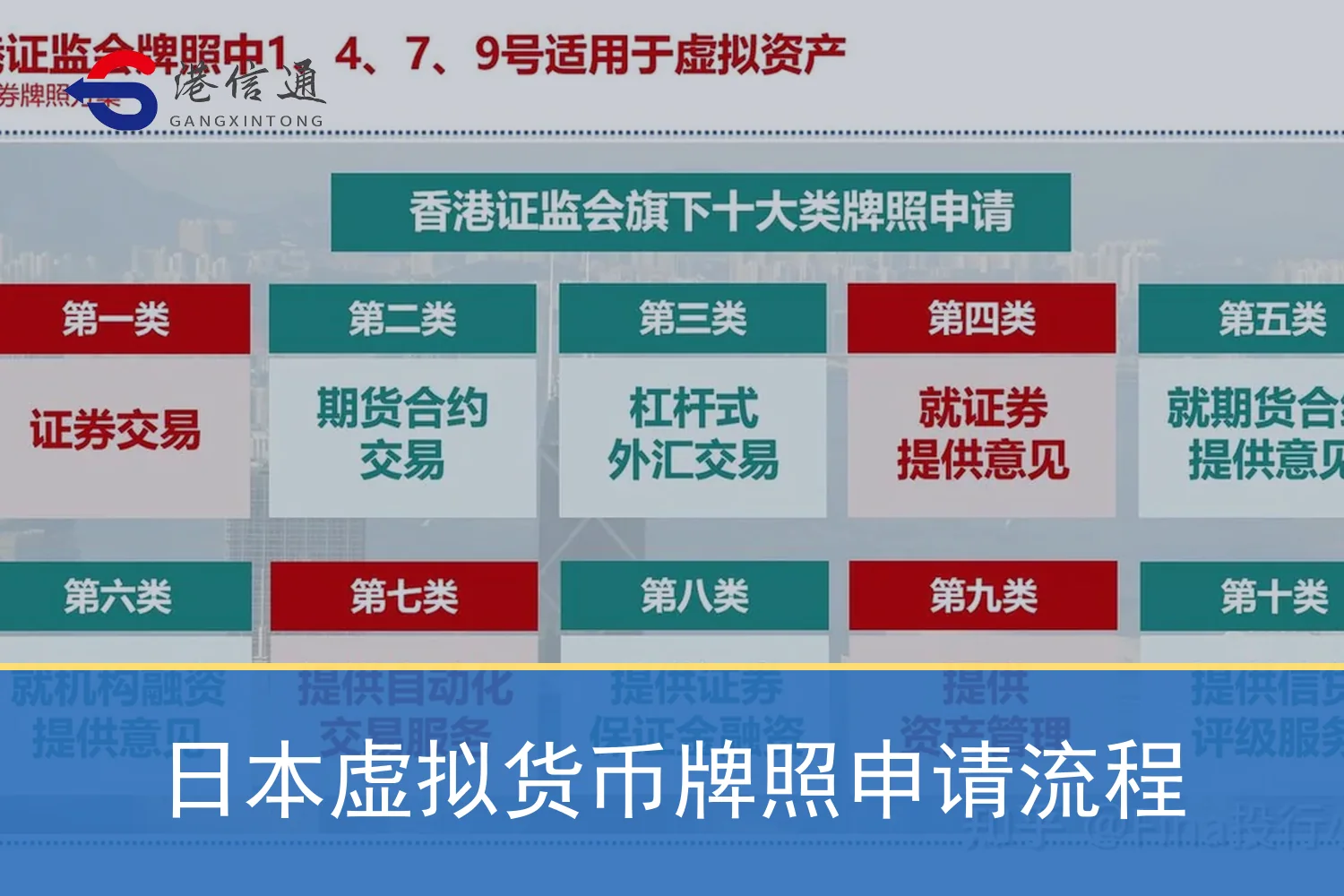
- Confirm whether a virtual currency exchange has been established in the target market、Payment service provider or fund transmission business license system。
- Assess whether the business model involves custody of client assets、Matchmaking、Fiat currency exchange、Cross-border payment or wallet services。
- Establish anti-money laundering compliance with regulatory requirements、Customer due diligence、Transaction monitoring and suspicious transaction reporting mechanism。
- Check tax treatment、Client funds segregation、Disclosure and Cybersecurity Requirements。
- Complete local legal advice before formal operations、Licensing path assessment and continuous compliance program design。
We recommend,Fintech companies、trading platform、Payment institutions and cross-border financial service providers,Market popularity should not be used as the basis for entry.,Instead, priority should be given to completing license compliance、business boundaries、Systematic assessment of capital flows and regulatory responsibilities。Only by synchronizing license application with long-term compliance operations planning,To reduce regulatory risks and build sustainable competitive advantages in the rapidly changing digital asset market。
About Hong Kong Xintong
GXT-HKComposed of professional teams from mainland China and Hong Kong,Focus on providing global company registration、Financial license application、Bank account opening、One-stop cross-border services such as tax financial planning and compliance consulting,Core covers Hong Kong MSO license、Hong Kong Insurance Brokers and Hong Kong Money Lenders Licenses、US MSB license、Hong Kong 149 license、9license plate,Helping enterprises to go overseas efficiently and compliantly,Steady global layout。